


Prefab vs Traditional Construction: Which is Right for Your Bulgarian Property?
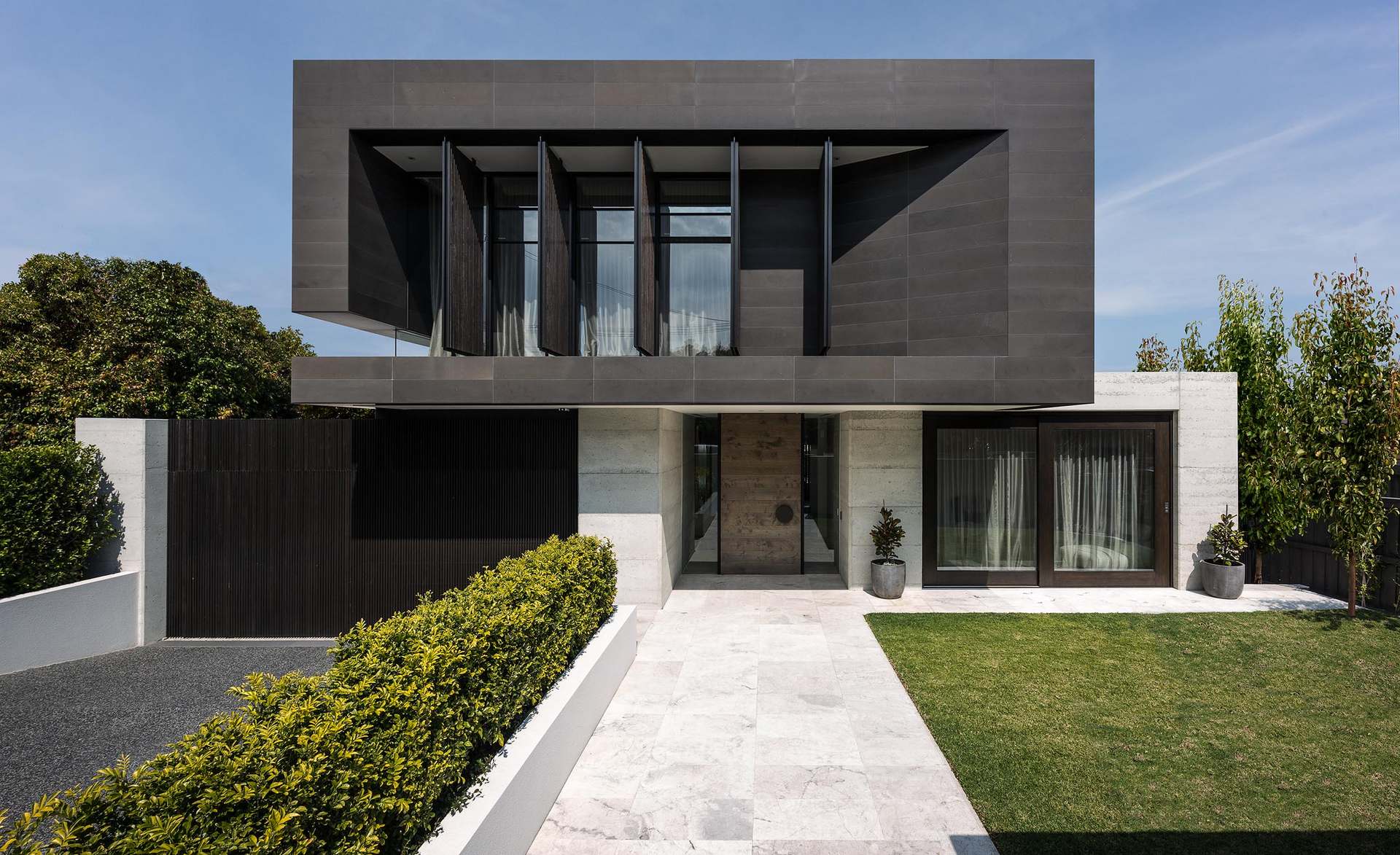
Choosing between prefab and traditional construction is one of the most important decisions when building in Bulgaria. Both methods have distinct advantages, and the right choice depends on your specific circumstances. This comparison provides factual analysis to inform your decision.
Construction Timeline Comparison
Prefab construction typically completes in 2-4 months from order to habitation. Factory production takes 4-8 weeks depending on complexity, transport and assembly require 1-2 weeks, and interior finishing adds another 2-4 weeks.
Traditional construction requires 12-18 months minimum for a standard family home. This includes foundation work (4-6 weeks), structural construction (3-4 months), roofing and weatherproofing (4-6 weeks), and interior finishing (3-4 months).
Weather significantly impacts traditional construction. Bulgarian winters often halt exterior work from December through February, potentially adding 2-3 months to timelines. Prefab production continues regardless of weather.
Cost Analysis
Current 2025 prices in Bulgaria:
Prefab construction (turnkey):
- Basic: 450-600 EUR/m²
- Standard: 600-850 EUR/m²
- Premium: 850-1,200 EUR/m²
Traditional construction (turnkey):
- Basic: 550-700 EUR/m²
- Standard: 700-1,100 EUR/m²
- Premium: 1,100-1,800 EUR/m²
These figures represent completed, habitable homes. Prefab offers 15-25% cost savings at comparable specification levels. However, customization costs extra with prefab, while traditional construction accommodates changes more easily.
Hidden costs affect both methods. Foundation requirements, utility connections, and permit fees typically add 15,000-25,000 EUR regardless of construction method.
Build Quality and Durability
Factory-built components benefit from controlled conditions. Temperature and humidity remain constant, materials stay protected, and specialized equipment ensures precision. Quality control inspects each element before shipping.
On-site construction depends heavily on workforce quality. Skilled Bulgarian craftsmen produce excellent work, but finding reliable teams requires effort. Weather exposure during construction can affect material quality if not properly managed.
Structural durability is comparable when both methods use quality materials and proper techniques. Modern prefab homes have 50+ year lifespans. Claims that prefab homes are “temporary” structures are outdated and incorrect.
Energy Efficiency
Prefab construction typically achieves superior energy performance. Factory assembly eliminates gaps and thermal bridges common in on-site construction. Standard prefab homes achieve 15-30% better energy efficiency than comparable traditional builds.
Wall insulation in prefab homes commonly reaches U-values of 0.15-0.20 W/m²K, exceeding Bulgarian building code requirements. Traditional construction can match these values but requires careful execution and quality control.
For energy-efficient construction guidance, see our article on sustainable building materials.
Design Flexibility
Traditional construction offers unlimited design possibilities. Complex geometries, unusual room layouts, and site-specific adaptations present no fundamental obstacles. Architects can design without manufacturing constraints.
Prefab construction works within manufacturing parameters. Standard dimensions, transport limitations (modules typically maximum 4m wide for road transport), and crane access requirements constrain design options.
However, modern prefab manufacturers offer considerable variety. Most can accommodate L-shaped plans, varying roof pitches, and some curved elements. Truly unique designs may require traditional methods or hybrid approaches.
Foundation Requirements
Both methods require proper foundations, but specifications differ:
Prefab homes typically use slab foundations or strip foundations with precise level tolerance (±5mm). The foundation must be completed before delivery, requiring accurate scheduling.
Traditional construction allows foundation corrections during the build process. Minor level variations can be accommodated as walls rise.
Foundation costs are similar: 80-150 EUR/m² depending on ground conditions and foundation type.
Permit Process
Bulgarian building regulations treat both methods identically. Required documentation includes:
- Land ownership documents
- Detailed Development Plan (PUP) compliance
- Full architectural project
- Structural engineering calculations
- Building permit
The architectural project must show compliance with Наредба №7 regardless of construction method. Our architecture services include complete permit documentation for both prefab and traditional builds.
Resale Value
Both construction methods achieve comparable market values when quality is similar. Bulgarian property buyers increasingly accept prefab construction, particularly among younger demographics.
Location, finish quality, and energy efficiency influence value more than construction method. A well-built prefab home in a desirable area sells readily at market rates.
When to Choose Prefab
Prefab construction suits projects with:
- Standard layouts without unusual geometric requirements
- Accessible sites with good road access and crane space
- Time constraints requiring rapid completion
- Fixed budgets needing cost certainty
- Energy efficiency priorities
When to Choose Traditional
Traditional construction better serves:
- Complex designs with unique architectural features
- Difficult sites with access restrictions or unusual terrain
- Highly customized interiors with non-standard specifications
- Heritage-style homes requiring traditional aesthetics
- Projects where timeline flexibility exists
Hybrid Approaches
Some projects benefit from combining methods. A traditionally-built ground floor with prefab upper level, or a traditional masonry exterior with prefab interior partitions, can optimize both cost and design flexibility.
Contact us for a consultation to discuss which approach best suits your specific project. We’ll assess your land, design requirements, and budget to provide objective recommendations.