


Sustainable Building Materials: An Architect's Guide for Bulgarian Climate
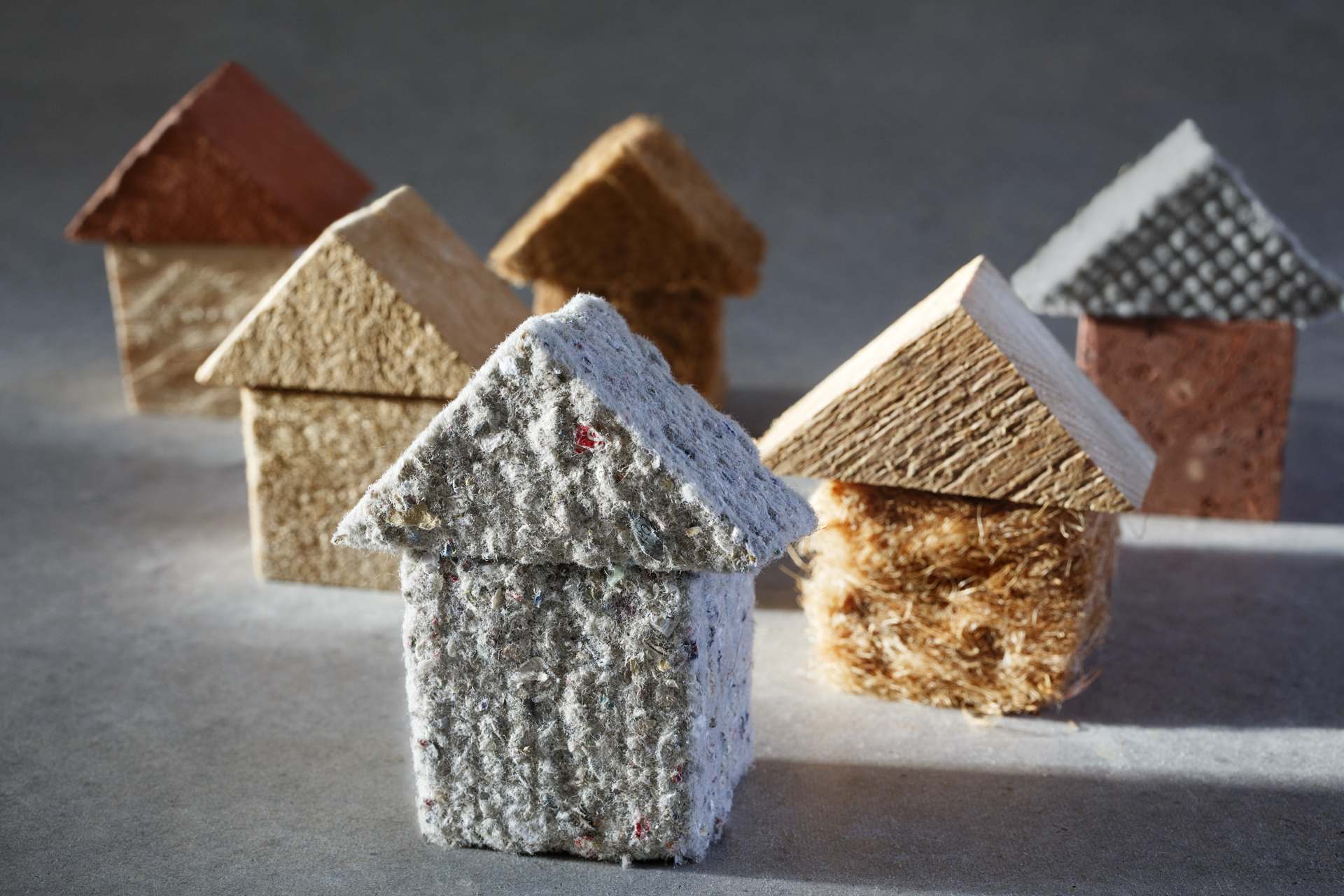
Sustainable building reduces environmental impact while often improving comfort and reducing operating costs. Bulgaria’s continental climate—cold winters, hot summers—demands materials that perform across temperature extremes. This guide examines sustainable options suitable for Bulgarian conditions.
Understanding Sustainability in Building
Sustainability encompasses multiple factors beyond just “natural” materials.
Key sustainability criteria:
- Embodied carbon: Energy used in production and transport
- Operational performance: How materials affect heating/cooling needs
- Durability: Longer life means less replacement
- Recyclability: End-of-life options
- Health impact: Indoor air quality effects
- Local availability: Transport distances
Some natural materials have high environmental impact. Some manufactured materials are highly sustainable. Evaluate holistically.
Structural Materials
The building structure has the largest material volume and environmental impact.
Timber frame construction:
- Carbon-storing (not releasing)
- Excellent insulation integration
- Fast construction reducing site impact
- Renewable with certified sourcing (FSC/PEFC)
- Suitable for Bulgarian seismic conditions
- Lower embodied energy than concrete or steel
Cross-laminated timber (CLT):
- Engineered mass timber for larger spans
- Replaces concrete slabs and walls
- Visible wood character
- Good thermal mass properties
- Growing availability in Bulgaria
- Premium cost but rapid installation
Compressed earth blocks (CEB):
- Made from local soil
- Minimal processing energy
- Excellent thermal mass
- Traditional Bulgarian precedent
- Requires weather protection
- Labor-intensive construction
Autoclaved aerated concrete (AAC):
- Lower embodied energy than standard concrete
- Good insulation properties
- Lightweight (less structural demand)
- Locally manufactured in Bulgaria
- Recyclable at end of life
Construction costs vary by material choice, with sustainable options increasingly competitive.
Insulation Materials
Insulation quality determines building energy consumption for decades.
Wood fiber insulation:
- Made from wood processing waste
- Carbon-storing
- Excellent summer performance (thermal lag)
- Breathable (moisture management)
- Sound insulation benefits
- Higher cost than mineral wool
Hemp insulation (hempcrete):
- Fast-growing crop
- Carbon-sequestering
- Breathable and moisture-regulating
- Fire-resistant
- Growing Bulgarian hemp production
- Requires lime binder
Cellulose insulation:
- Recycled paper product
- Blown installation fills gaps completely
- Good thermal performance
- Fire-retardant treatments required
- Cost-effective
- Available in Bulgaria
Cork insulation:
- Harvested without killing trees
- Naturally fire-resistant
- Excellent durability
- Good thermal and acoustic properties
- Premium pricing
- Imported from Mediterranean
Sheep’s wool:
- Natural and renewable
- Excellent moisture management
- Self-extinguishing when fire removed
- Breathable
- Bulgarian production potential
- Requires moth treatment
Materials to avoid: XPS and EPS polystyrene have high embodied carbon and recyclability issues despite good thermal performance.
Energy-efficient design integrates sustainable insulation for long-term performance.
Wall Finishes and Cladding
Exterior and interior finishes affect both sustainability and appearance.
Lime plaster and render:
- Traditional Bulgarian material
- Lower embodied energy than cement
- Breathable (allows moisture movement)
- Natural antibacterial properties
- Repairable and recyclable
- Skilled application required
Clay plaster:
- Lowest embodied energy option
- Excellent humidity regulation
- Beautiful natural textures
- Interior use only
- No toxic emissions
- Can be locally sourced
Timber cladding:
- Natural and renewable
- Carbon-storing
- Durable with proper species selection
- Natural weathering or treatments
- Local softwoods available
- Maintenance required unless thermally modified
Natural stone:
- Extremely durable (centuries)
- Local Bulgarian sources
- No toxic treatments
- High embodied energy in extraction
- Recyclable/reusable
- Traditional regional character
Brick:
- Long-lasting material
- Bulgarian manufacturing
- Thermal mass benefits
- Recyclable
- Moderate embodied energy
- Traditional appearance
Flooring Options
Floor materials affect indoor environment significantly.
Solid timber flooring:
- Natural and renewable
- Long-lasting if maintained
- Can be refinished multiple times
- Carbon-storing
- Local oak and other species available
- Natural oils/waxes for finishing
Cork flooring:
- Sustainable harvest method
- Comfortable underfoot
- Thermal and acoustic insulation
- Naturally antimicrobial
- Imported product
- Moisture-resistant varieties available
Natural linoleum:
- Made from linseed oil, cork, wood flour
- Biodegradable
- Durable and hygienic
- Wide color/pattern range
- Distinct from vinyl (PVC) flooring
- Low VOC emissions
Natural stone and ceramic:
- Extremely durable
- Local Bulgarian production
- Thermal mass for heating efficiency
- No emissions
- Higher embodied energy
- No maintenance required
Materials to minimize: Vinyl/PVC flooring, synthetic carpets, and engineered products with high adhesive content have sustainability concerns.
Roofing Materials
Roof materials must withstand Bulgarian weather extremes.
Clay tiles:
- Traditional and durable
- Local Bulgarian production
- Recyclable and reusable
- Thermal mass moderates temperature
- Natural material
- Centuries of proven performance
Metal roofing:
- Long lifespan (50+ years)
- Highly recyclable
- Lightweight (less structure needed)
- Reflects heat in summer
- Higher embodied energy
- Various finishes available
Cedar shingles:
- Natural material
- Beautiful weathering
- Renewable resource
- Fire treatment usually required
- Higher maintenance
- Traditional mountain applications
Green roofs:
- Insulation benefits
- Stormwater management
- Biodiversity support
- Urban heat reduction
- Structural requirements
- Professional installation required
Windows and Doors
Openings significantly affect building performance.
Timber windows:
- Lower embodied energy than PVC
- Renewable material
- Repairable and long-lasting
- Beautiful natural character
- Maintenance required
- Local manufacturing available
Timber-aluminum composite:
- Timber interior for warmth
- Aluminum exterior for durability
- Reduced maintenance
- Higher cost
- Good performance
- Growing Bulgarian availability
Thermal performance: Regardless of frame material, specify triple glazing for Bulgarian climate. Low-e coatings and warm-edge spacers maximize performance.
Practical Implementation
Sustainable material choices require practical considerations.
Local availability: Source locally where possible. Imported eco-materials may have high transport impacts. Bulgarian manufacturers increasingly offer sustainable options.
Skill availability: Some sustainable materials require specific skills. Ensure local contractors have experience. Choosing contractors with sustainable material experience matters.
Cost reality: Sustainable materials often cost more initially but perform better long-term. Budget planning should account for lifecycle costs, not just construction cost.
Building regulations: Ensure chosen materials meet Bulgarian building regulations. Fire, structural, and thermal requirements apply regardless of sustainability credentials.
Creating Sustainable Buildings
Architecture services integrate sustainable material selection with overall building design.
Design approach:
- Prioritize durability and longevity
- Specify locally available materials
- Design for future adaptability
- Minimize material quantities through efficient design
- Consider end-of-life scenarios
Professional guidance: Sustainable material selection requires understanding of performance, availability, and integration. Consultation services help navigate options for your specific project.
Building sustainably in Bulgaria means selecting materials that perform across climate extremes while minimizing environmental impact. The right choices create comfortable homes that honor both local building traditions and global environmental responsibility.