


How to Build a House in Bulgaria: Step-by-Step Guide for Beginners
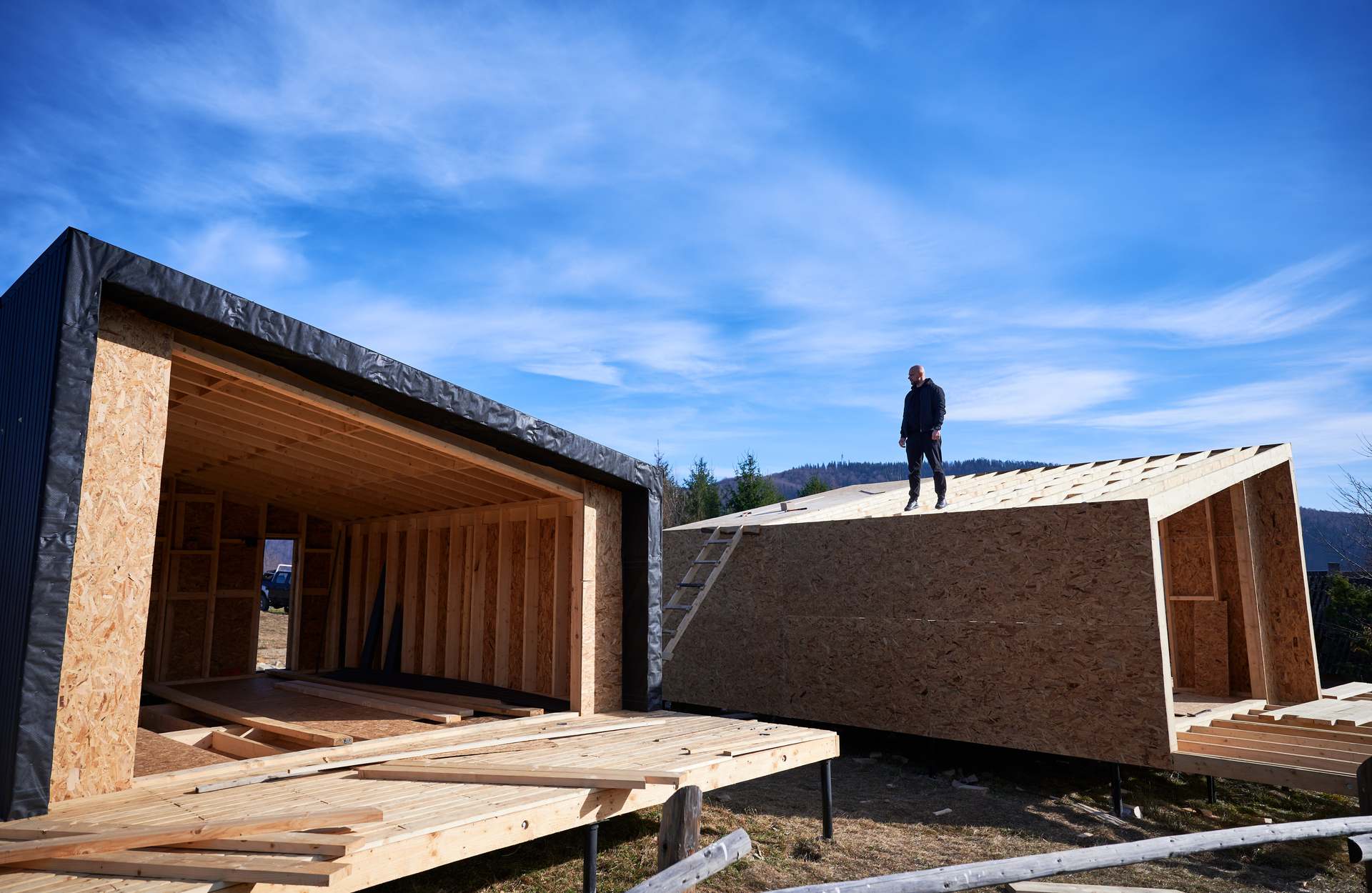
Building a house in Bulgaria involves multiple stages, each with specific requirements. This guide walks you through the entire process from initial concept to moving into your completed home.
Step 1: Define Your Requirements
Before any practical steps, clarify your needs:
Budget: Determine total available funds including land, construction, permits, and contingency. Construction costs in Bulgaria range from 600-1,200 EUR/m² depending on specification. Add 15-25% for non-construction costs.
Location: Urban areas offer easier utility connections but higher land costs. Rural locations provide space and privacy but may require infrastructure investment.
Size and features: How many bedrooms, bathrooms, garage requirements, garden preferences? These decisions affect land requirements and construction budgets.
Timeline: Standard construction takes 12-18 months. Prefab options reduce this to 3-6 months.
Step 2: Find and Purchase Land
Land acquisition requires careful verification:
Legal checks confirm ownership through property registry search. Verify boundaries match documents. Check for encumbrances, mortgages, or rights of way.
Planning verification establishes what construction the land permits. Contact the municipality for PUP (Detailed Development Plan) information. Confirm building rights before purchasing.
Physical assessment examines access, slope, orientation, and ground conditions. Sites requiring extensive earthwork or difficult access add significant costs.
Utility availability affects both cost and feasibility. Verify electricity, water, and sewage connection possibilities. Remote locations may require wells, septic systems, and expensive grid connections.
Detailed land buying guidance helps avoid common mistakes.
Step 3: Engage Design Professionals
Professional involvement is mandatory in Bulgaria:
Architect selection should consider experience, portfolio, and communication style. Licensed architects (members of Chamber of Architects in Bulgaria) can sign permit applications. Our architecture services provide complete design and permit documentation.
Initial consultation establishes project scope, budget, and timeline. Bring land documents and initial requirements to this meeting.
Design agreement formalizes services, fees, and deliverables. Architectural fees typically run 4-8% of construction cost depending on project complexity and service scope.
Step 4: Design Development
Design proceeds through defined stages:
Concept design establishes basic layout, orientation, and appearance. Multiple options may be explored before selecting a direction. This stage produces sketch plans and initial 3D visualizations.
Detailed design develops the chosen concept into buildable documentation. Floor plans, elevations, sections, and specifications emerge. Material selections and technical systems are defined.
Technical documentation comprises the formal permit submission package. Architectural drawings, structural engineering, and specialist calculations (electrical, plumbing, energy) combine into the complete project.
Interior design services can run parallel to architectural development.
Step 5: Obtain Building Permit
Bulgarian permit process includes several stages:
Visa for design (Виза за проектиране) authorizes architectural design to proceed. The municipality issues this based on PUP compliance.
Project submission presents complete technical documentation to the municipality. Requirements include architectural, structural, electrical, plumbing, HVAC, fire safety, and energy efficiency documentation.
Review period typically takes 30 days for residential projects. Reviewers may request clarifications or modifications. Approval results in Building Permit issuance.
Permit validity lasts three years. Construction must commence within this period. Extensions are possible but require application before expiry.
Complete permit requirements explains documentation in detail.
Step 6: Select Construction Partner
Choosing the right builder is critical:
Research candidates through referrals, completed projects, and reputation. Visit previous work and speak with past clients.
Request detailed quotations based on architectural documentation. Compare like-for-like specifications. Unusually low quotes often indicate shortcuts or future extras.
Verify credentials including company registration, insurance, and any required licenses. Request evidence of current coverage.
Contract carefully with clear scope, specifications, timeline, payment terms, and warranties. Never sign vague contracts—disputes arise from ambiguity.
Avoiding common construction mistakes helps selection and management.
Step 7: Construction Phase
Active construction involves multiple stages:
Site preparation includes clearing, earthwork, and temporary facilities. Verify site boundaries match permit drawings.
Foundation construction follows structural engineering specifications exactly. Foundation errors are extremely expensive to correct. Independent inspection before backfilling is recommended.
Structural work raises walls, floors, and roof. Material deliveries must match specifications. Substitutions require architect approval.
Weatherproofing makes the structure wind and watertight. Roof completion and window installation protect interior work.
First-fix installations route electrical cables, plumbing pipes, and heating systems before wall finishes.
Internal finishes include plastering, flooring, tiling, painting, and fitted furniture.
Second-fix installations complete electrical fixtures, sanitary ware, and system commissioning.
External works finish landscaping, driveways, and boundary treatments.
Step 8: Technical Supervision
Bulgarian law requires technical supervision (технически надзор) by licensed supervisors:
Supervisor appointment before construction commences. They maintain the construction journal and verify code compliance.
Stage inspections occur at critical points: foundation, structure, weatherproofing, and completion. Each stage requires sign-off before proceeding.
Final inspection verifies completion according to permit. The supervisor certifies readiness for occupancy permission.
Step 9: Final Approvals
Completing the legal process:
Act 15 (construction completion certificate) confirms building matches permit and passes final inspection.
Act 16 (occupancy permit) authorizes habitation. This requires all utility connections, completed external works, and documented compliance.
Property registration updates the cadastre with the new building. This enables future sale and establishes official status.
Timeline Summary
Typical residential project timeline:
| Stage | Duration |
|---|---|
| Land purchase | 1-3 months |
| Design | 2-4 months |
| Permit process | 1-3 months |
| Construction | 10-14 months |
| Final approvals | 1-2 months |
| Total | 15-26 months |
Prefab construction reduces the construction phase to 2-4 months but other stages remain similar.
Getting Started
Contact us for an initial consultation to discuss your project. We’ll assess your requirements, review your land (or help evaluate potential sites), and outline a realistic plan for achieving your Bulgarian home.