


What Does an Architect Actually Do? The Complete Guide
The architect profession remains mysterious to many people. You know architects design buildings, but what does that actually involve? This guide explains the complete scope of architectural work, from first meeting to final inspection.
Initial Consultation and Brief Development
Every project begins with understanding your needs.
First meeting objectives:
- Understand your vision and requirements
- Discuss budget expectations
- Review site constraints and opportunities
- Explain the design and construction process
- Establish working relationship
Brief development: The architect helps you define:
- Space requirements (rooms, sizes, relationships)
- Functional priorities
- Aesthetic preferences
- Technical requirements
- Budget parameters
- Timeline expectations
This phase transforms vague ideas into clear project requirements. What to expect from first consultation explains this process in detail.
Site Analysis and Feasibility
Before design begins, architects analyze what’s possible.
Site investigation includes:
- Physical survey and measurement
- Orientation and solar analysis
- Access and circulation review
- Views and privacy assessment
- Vegetation and topography mapping
- Neighboring building relationships
Regulatory research:
- Zoning designation and restrictions
- Building parameters (height, coverage, setbacks)
- Special requirements (historic, environmental)
- Permit pathway and timeline
Feasibility assessment: Can your requirements be achieved on this site within your budget? Architects identify constraints early, preventing wasted design effort on impossible concepts.
Concept Design
The creative phase where ideas take shape.
What happens:
- Multiple design options developed
- Floor plans showing spatial arrangement
- Massing studies showing building form
- Preliminary elevations showing appearance
- Basic material palette established
Client involvement: You review options, provide feedback, and guide direction. Good architects present alternatives rather than single solutions, giving you genuine choices.
Deliverables:
- Concept drawings (plans, elevations, sections)
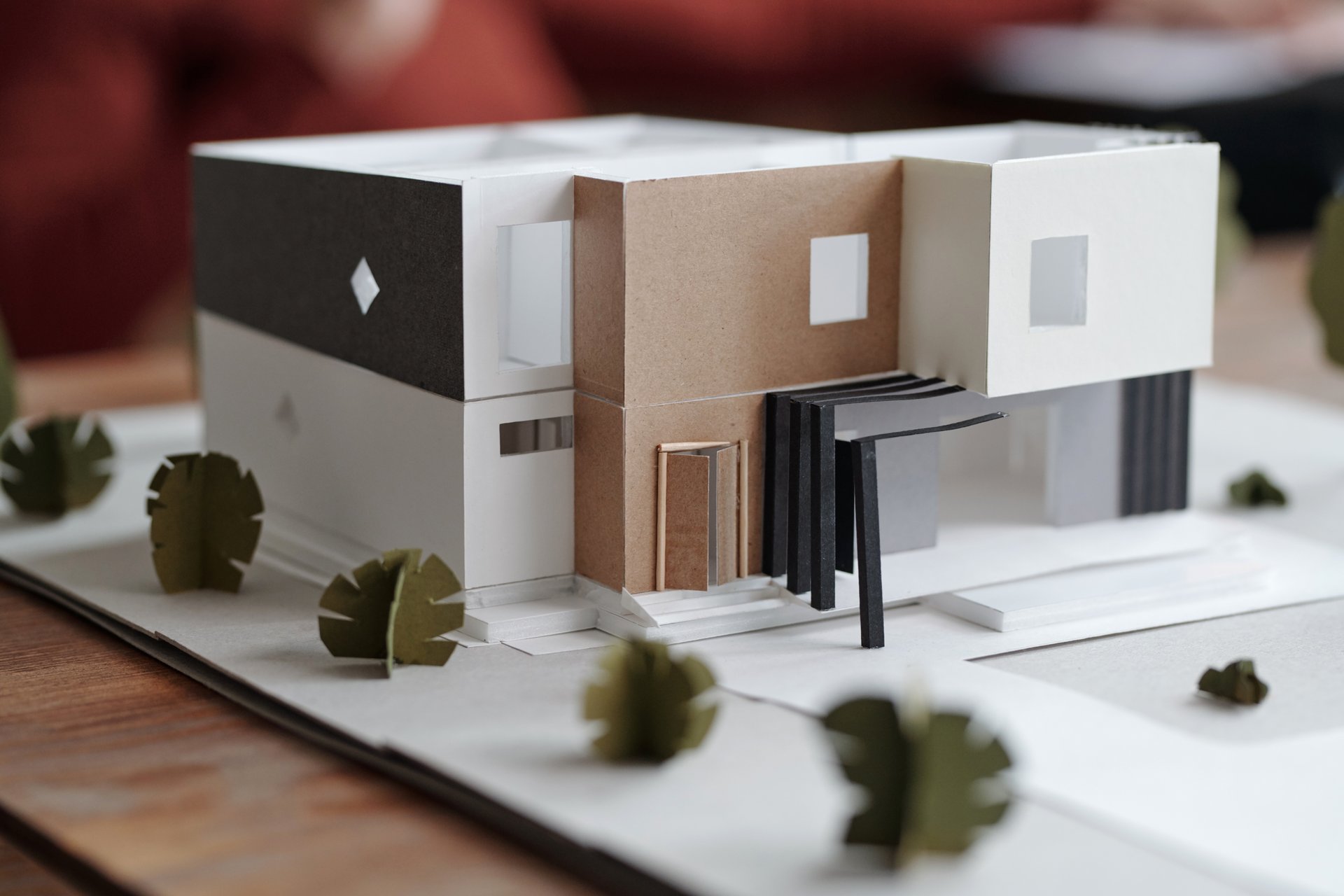
- 3D visualizations or physical models
- Area calculations
- Preliminary cost indication
This phase typically includes 2-4 design iterations, refining concepts based on your feedback.
Design Development
Selected concept develops into detailed design.
Increasing detail:
- All rooms fully developed
- Window and door positions finalized
- Material selections specified
- Fixture and fitting locations determined
- Structural approach confirmed
- Services integration planned
Technical coordination: Architect coordinates with:
- Structural engineer
- Mechanical/electrical consultants
- Interior designer (if separate)
- Landscape architect
- Other specialists as required
Architecture services include this coordination, ensuring all elements work together.
Client decisions: You make final selections for:
- Materials (flooring, wall finishes, roofing)
- Fixtures (windows, doors, hardware)
- Equipment (kitchen, bathrooms)
- Special features (fireplaces, built-ins)
Technical Documentation
Design transforms into buildable instructions.
Construction drawings include:
- Site plan showing building position
- Floor plans with dimensions
- Elevations showing all facades
- Sections cutting through building
- Details of complex conditions
- Door and window schedules
- Finish schedules
Specifications: Written documents describing:
- Materials and their requirements
- Installation standards
- Quality expectations
- Product references
Structural documentation: Engineer produces:
- Foundation drawings
- Structural frame drawings
- Reinforcement details
- Structural calculations
This documentation package enables accurate contractor pricing and proper construction.
Permit Processing
Architects navigate regulatory approval.
Permit documentation:
- Application forms
- Required drawings and calculations
- Supporting technical reports
- Environmental assessments if required
- Fee payments
Municipality interface: Architects handle:
- Submission procedures
- Examiner questions
- Required revisions
- Approval collection
Building permits guide explains Bulgarian permit requirements.
Timeline: Bulgarian permit processing typically takes 2-4 months. Complex projects or difficult sites extend this.
Tender and Contractor Selection
Architects help you find the right builder.
Tender documentation:
- Complete drawing package
- Specifications
- Bill of quantities (optional)
- Contract conditions
- Instructions to bidders
Contractor qualification: Architects advise on:
- Required qualifications
- Insurance requirements
- Reference expectations
- Past project evaluation
Bid analysis: When quotes return, architects help:
- Compare like with like
- Identify exclusions and qualifications
- Evaluate value not just price
- Recommend selection
Choosing construction company provides detailed contractor selection guidance.
Construction Administration
During building, architects protect your interests.
Site observation: Regular visits to verify:
- Work matches drawings
- Materials match specifications
- Quality meets standards
- Progress matches schedule
Clarification and problem-solving: Construction reveals unexpected conditions. Architects provide:
- Interpretation of drawings
- Design responses to site conditions
- Resolution of contractor queries
- Change order evaluation
Payment certification: Architects verify:
- Work claimed is complete
- Quality is acceptable
- Payment amount is justified
Progress reporting: Regular updates keeping you informed of:
- Construction status
- Issues and resolutions
- Timeline adherence
- Budget tracking
Quality Control and Completion
Final phases ensure project meets expectations.
Inspection stages: Critical work verified at key points:
- Foundation before backfill
- Structure before covering
- Services before closing walls
- Finishes before final payment
Punch list development: Near completion, architects compile deficiency lists for contractor correction. Multiple inspections ensure resolution.
Final certification: Architect confirms:
- Construction complete per documents
- All deficiencies corrected
- Building ready for occupancy
- Documentation complete
Interior Design Integration
Many architects provide interior design services.
Interior scope includes:
- Space planning and furniture layout
- Color schemes and material palettes
- Lighting design
- Fixed furniture and millwork
- Fixture and fitting selection
- Decoration guidance
Interior design services create complete environments, not just building shells.
Coordination advantage: When architecture and interior design come from one source, integration is seamless. No gaps or conflicts between building and interior.
Post-Completion Services
Architect involvement can extend beyond construction.
Warranty period support: During contractor warranty period:
- Defect identification
- Correction verification
- Warranty claim assistance
Future modifications: As needs change:
- Renovation design
- Addition planning
- Regulatory updates
Ongoing relationship: Good architect-client relationships often continue through multiple projects over years.
The Value Equation
Understanding what architects do reveals their value.
Without architect:
- Design decisions made without expertise
- Regulatory problems discovered late
- Contractor controls information
- Quality unverified
- Problems become expensive
With architect:
- Professional design expertise applied
- Regulations navigated efficiently
- Contractors held accountable
- Quality independently verified
- Problems prevented or resolved economically
The question isn’t whether you can afford an architect. It’s whether you can afford the consequences of proceeding without one.
Contact us to discuss how architectural services can serve your specific project needs.