


5 Myths About Ready-Made Houses Debunked by an Architect
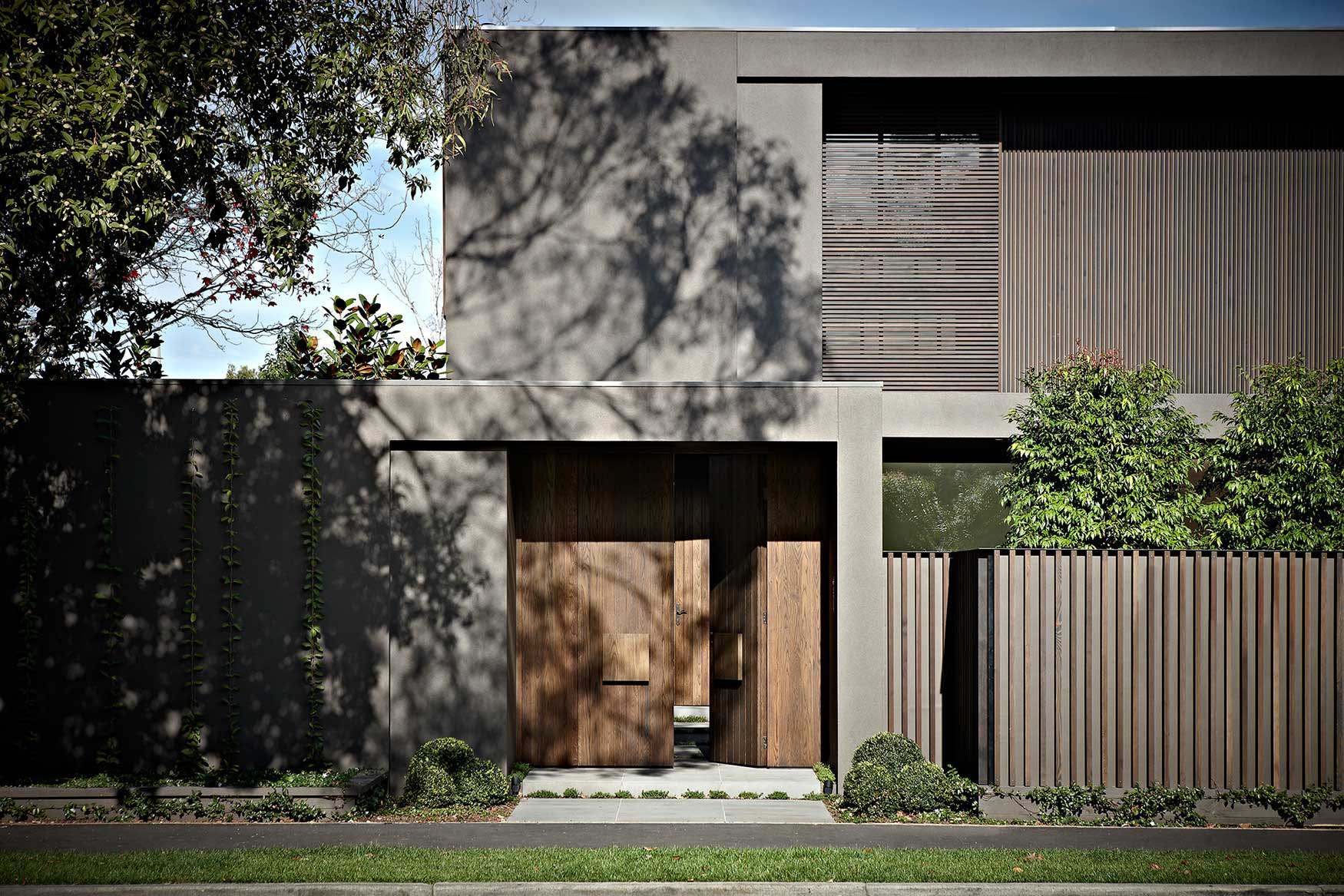
Misconceptions about prefab houses persist despite decades of technological advancement. As an architect who has worked with both prefab and traditional construction, I encounter these myths regularly. Let’s examine each with factual analysis.
Myth 1: Prefab Houses Are Low Quality
This belief stems from post-war temporary housing that gave prefabrication a poor reputation. Modern reality differs completely.
The facts: Contemporary prefab construction uses identical or superior materials to traditional building. Structural timber meets the same grading standards. Insulation materials are identical. Windows, doors, and finishes come from the same suppliers.
Factory conditions actually improve quality. Controlled temperature and humidity prevent material damage. Specialized jigs ensure precise assembly. Each component undergoes inspection before shipping. Weather never interferes with construction.
Studies comparing defect rates consistently show prefab homes with fewer problems than site-built equivalents. The controlled environment eliminates many common construction errors.
Quality ultimately depends on the manufacturer and specification, not the construction method. Premium prefab homes match any traditionally-built property. Understanding cost levels helps identify quality differences.
Myth 2: Prefab Homes Don’t Need Building Permits
This dangerous misconception causes serious legal problems for uninformed buyers.
The facts: Bulgarian law treats all permanent structures identically. Prefab homes require full building permits (Разрешение за строеж), complete architectural projects, structural engineering, and all standard documentation.
The permit process includes:
- Compliance with Detailed Development Plan (PUP)
- Architectural design review
- Structural calculations approval
- Building permit issuance
- Technical supervision during construction
- Final inspection and occupancy certificate
Attempting construction without permits results in fines, demolition orders, and inability to connect utilities or sell the property. There are no exceptions for prefab construction.
Some manufacturers misleadingly suggest their homes don’t need permits. This is false. Our architecture services ensure proper documentation for any construction method.
Myth 3: Prefab Houses Don’t Last
The assumption that prefab means temporary couldn’t be more wrong.
The facts: Modern prefab homes are designed for 50+ year lifespans, identical to traditional construction. Structural warranties typically cover 10-25 years, comparable to any new build.
Durability depends on:
- Material quality (timber grade, preservative treatment)
- Assembly precision
- Foundation adequacy
- Maintenance regime
Many Scandinavian prefab homes from the 1960s remain occupied today, proving long-term durability. German prefab homes from the same era continue serving families.
Timber-frame construction, the most common prefab method in Bulgaria, has centuries of proven durability when properly executed. The method isn’t new—only the factory production is modern.
Myth 4: You Can’t Get a Mortgage for Prefab Homes
Banks have long since recognized prefab construction as standard housing.
The facts: All major Bulgarian banks offer mortgages for prefab homes with proper documentation. Requirements include:
- Land ownership
- Valid building permit
- Architectural project
- Manufacturer contract with specifications
- Construction insurance
Interest rates and terms match traditional construction mortgages. Some banks initially classified prefab loans differently, but this practice has largely ended.
The key requirement is proper documentation. Homes built without permits cannot be mortgaged regardless of construction method. Proper paperwork enables normal financing.
Myth 5: Prefab Homes Have Poor Resale Value
This concern is largely unfounded in current markets.
The facts: Property values depend on location, size, condition, and energy efficiency—not construction method. Well-built prefab homes sell at comparable prices to traditional properties.
Several factors actually favor prefab resale:
- Superior energy efficiency reduces running costs
- Modern designs appeal to younger buyers
- Documented factory specifications provide buyer confidence
- Newer building standards often exceed older traditional homes
Bulgarian real estate agents report no significant price difference between comparable prefab and traditional homes. Buyers focus on practical qualities, not construction method.
Premium locations show strongest results. A quality prefab home in a desirable area sells readily. Poor locations affect any property regardless of how it was built.
Making Informed Decisions
These myths shouldn’t influence your construction choice. Focus instead on:
Budget realities: Compare actual costs including all expenses.
Timeline requirements: Prefab delivers faster if speed matters.
Design needs: Complex designs may require traditional construction. Standard layouts suit prefab well.
Site conditions: Access restrictions and terrain affect prefab feasibility.
Quality expectations: Both methods achieve excellent results with proper specification and oversight.
Professional Guidance
Whether choosing prefab or traditional construction, professional architectural involvement improves outcomes. Our consultation services provide objective assessment of your options.
We’ve designed projects using both methods and recommend based on individual circumstances, not ideology. The best construction method is whichever achieves your goals within your budget.
Compare prefab and traditional construction with our detailed analysis to make an informed choice for your Bulgarian property project.