


Can You Customize a Prefab House? Design Options Explained
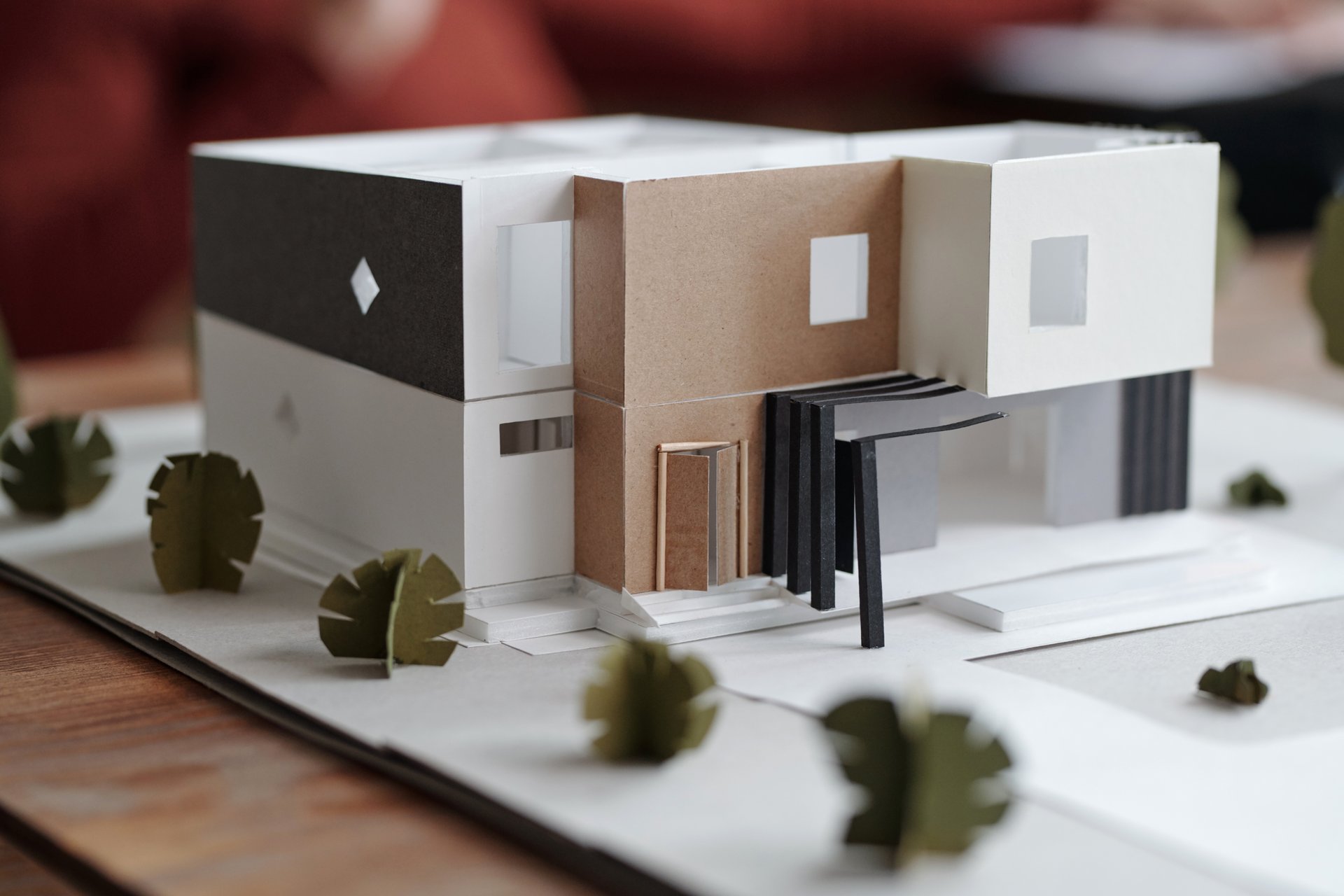
One of the most common questions about prefab construction concerns customization. Can you create a unique home, or must you accept standard designs? The answer lies between these extremes—prefab offers substantial customization within certain parameters.
Standard Plans vs Custom Design
Most prefab manufacturers offer catalog designs ranging from 60m² compact homes to 200m²+ family houses. These standard plans provide the most economical option, as tooling and production processes are already optimized.
Advantages of standard plans:
- Lowest per-square-meter cost
- Fastest production time
- Proven designs without surprises
- Accurate cost projections
Customization typically adds 10-30% to base prices depending on extent of changes. Production time increases proportionally. However, the result is a home tailored to your requirements rather than a generic solution.
Layout Modifications
Most manufacturers accommodate layout changes within structural constraints:
Room size adjustments work within module widths (typically 3-4m). Lengthening or shortening rooms is straightforward. Width changes may require structural recalculation.
Internal wall repositioning rarely affects structure in timber-frame construction. Moving partition walls changes room proportions without major cost impact.
Door and window repositioning is generally possible. Structural openings in external walls require engineering verification but usually accommodate changes.
Room additions using additional modules expand homes readily. Design for future expansion from the start if gradual growth is planned.
What’s difficult to change: Overall building footprint within standard modules, structural wall positions, floor-to-ceiling heights, and basic structural system.
Exterior Customization
Building appearance offers extensive personalization:
Cladding materials range from timber boarding and fiber cement panels to brick slips and render systems. Material choice dramatically affects appearance without structural implications.
Roof forms include pitched, flat, mono-pitch, and combinations. Standard prefab accommodates most roof styles, though complex geometries increase cost.
Window specifications upgrade readily. Frame materials (PVC, aluminum, timber), glazing performance, and opening styles all customize independently.
Color schemes for cladding, trim, windows, and doors personalize standard designs effectively.
Porches, canopies, and terraces add architectural interest. These elements often install during site completion rather than factory production.
Interior Finish Options
Interior customization offers the widest scope:
Flooring: Laminate, engineered wood, tile, vinyl—most manufacturers offer multiple options at different price points. Premium choices (solid hardwood, natural stone) available as upgrades.
Wall finishes: Standard painted plasterboard customizes with wallpaper, timber paneling, or exposed brick effects. Feature walls add character economically.
Kitchen specifications: Cabinets, countertops, and appliances range from basic to luxury. Most manufacturers partner with kitchen suppliers offering various ranges.
Bathroom fittings: Sanitary ware, tiles, and fixtures customize extensively. En-suite additions and bathroom relocations usually possible.
Electrical and lighting: Switch positions, socket quantities, and lighting fixtures personalize to requirements. Smart home wiring adds modest cost.
Interior design services help optimize finish selections within your budget.
Technical Upgrades
Performance specifications upgrade beyond standard offerings:
Insulation enhancement: Thicker insulation, higher-performance materials, and improved detailing achieve superior energy ratings. Passive house standards are achievable with prefab.
Heating systems: Standard electric or gas options upgrade to heat pumps, underfloor heating, or hybrid systems.
Ventilation: Mechanical ventilation with heat recovery (MVHR) suits well-insulated prefab homes. Factory installation ensures proper integration.
Solar preparation: Roof structure and electrical systems prepare for future solar panel installation even if not fitted initially.
Triple glazing: Upgrade from standard double glazing for improved thermal and acoustic performance.
Working with Manufacturers
Effective customization requires clear communication:
Early involvement: Discuss modifications before finalizing orders. Last-minute changes disrupt production and increase costs.
Written specifications: Document every customization in writing with specific product references. “Upgraded kitchen” is ambiguous; “Brand X Model Y cabinets in color Z” is clear.
Cost transparency: Request itemized pricing for each modification. Understand what’s included in base price versus additions.
Technical feasibility: Some desired changes may conflict with structural requirements or manufacturing processes. Manufacturers will identify limitations.
When Custom Isn’t Possible
Certain requirements exceed prefab capabilities:
Unusual geometries: Curved walls, very high ceilings, or complex multi-level arrangements may require traditional construction.
Site-specific adaptation: Steep slopes, irregular foundations, or extreme access restrictions sometimes demand site-built solutions.
Heritage aesthetics: Authentic period details (thick stone walls, traditional joinery) suit traditional methods better.
Maximum uniqueness: Truly one-of-a-kind architectural statements benefit from traditional construction’s unlimited flexibility.
Compare construction methods to determine which approach suits your customization requirements.
Cost-Effective Customization Strategy
Maximize personalization within budget:
- Accept structural parameters of standard plans
- Modify layouts within existing footprints
- Invest in visible finishes (flooring, kitchens, bathrooms)
- Upgrade performance specifications (insulation, windows)
- Personalize exteriors with cladding and color choices
This approach achieves distinctive results without custom engineering costs.
Professional Design Support
Architects add value to prefab customization by:
- Optimizing layouts within manufacturer constraints
- Selecting complementary finish combinations
- Ensuring technical upgrades integrate properly
- Managing specification documentation
Our design services work with prefab manufacturers to achieve your vision within practical and budgetary limits. Contact us to discuss customizing your prefab home project.