


Renovation vs New Build: Which is More Cost-Effective in Bulgaria?
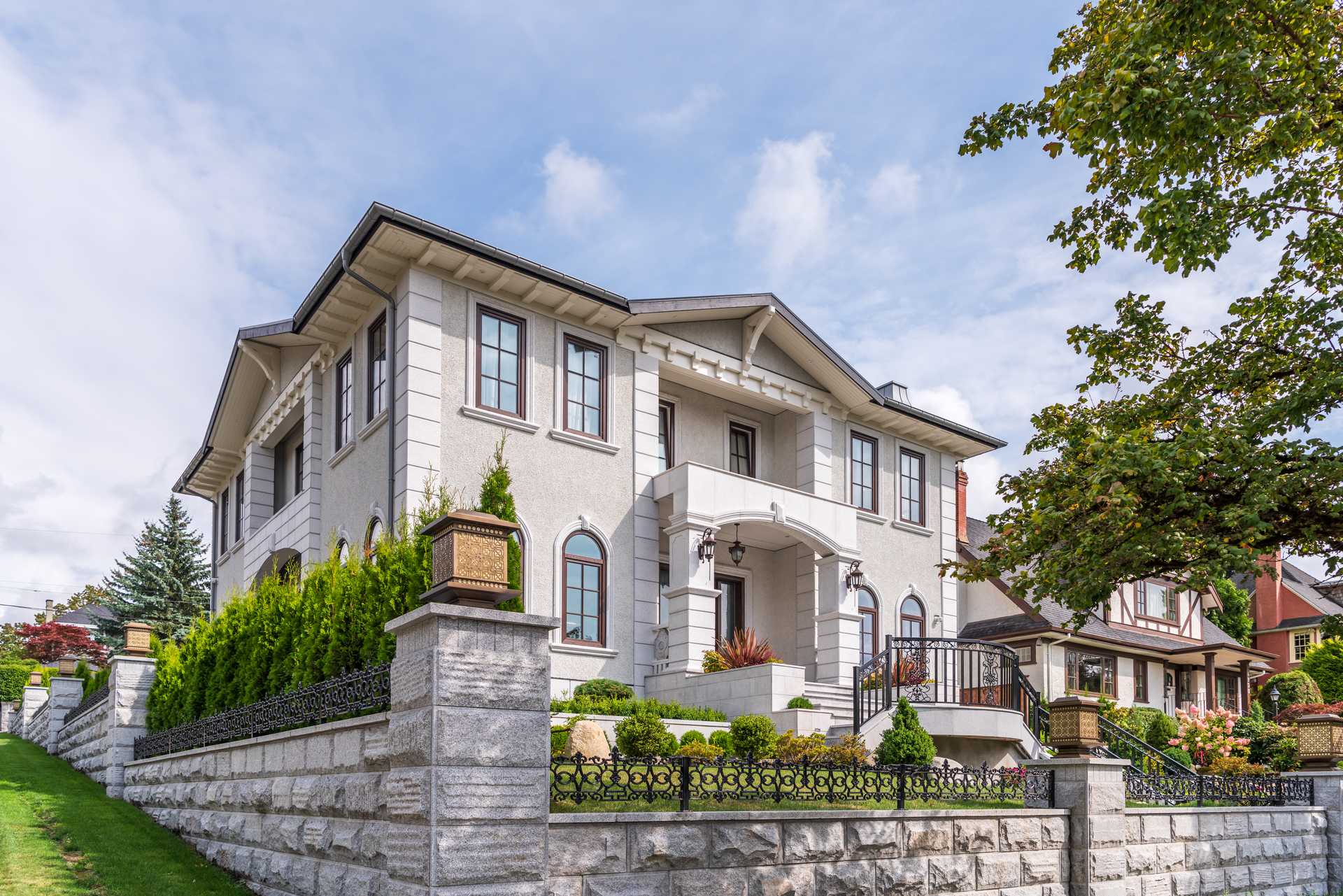
Bulgaria offers both abundant older properties suitable for renovation and affordable land for new construction. Choosing between renovation and new build significantly affects cost, timeline, and final result. This guide examines both options objectively.
Cost Comparison Overview
Direct cost comparison requires careful analysis of total project expenses.
New build typical costs (per m²):
- Standard quality: €700-1,000/m²
- Premium quality: €1,000-1,500/m²
- Plus land purchase
- Plus infrastructure connections
- Predictable budgeting possible
Renovation typical costs (per m²):
- Light renovation: €200-400/m²
- Full renovation: €400-700/m²
- Structural renovation: €600-1,000/m²
- Plus purchase price
- Unpredictable discoveries likely
The catch: Renovation costs are difficult to predict. Hidden problems—structural issues, outdated wiring, plumbing failures, moisture damage—reveal themselves during work, adding significant expense.
Construction costs guide provides detailed cost breakdowns.
When Renovation Makes Sense
Certain situations favor renovation over new construction.
Financial advantages:
- Lower total investment (purchase + renovation < land + build)
- Immediate occupancy possible during phased renovation
- Historic properties in prime locations unavailable as land
- Established gardens and landscaping
Practical advantages:
- Existing infrastructure connections (electricity, water, sewer)
- Established legal status (no permit uncertainty)
- Known neighborhood character
- Mature trees and landscaping
- Community integration
Character advantages:
- Period features unavailable in new construction
- Unique architectural character
- Solid traditional construction quality
- Location benefits (old town centers, etc.)
Best renovation candidates:
- Sound structural condition
- Good proportions and layout
- Desirable location
- Realistic purchase price
- No major structural problems
When New Build Makes Sense
Other situations clearly favor new construction.
Financial advantages:
- Predictable total cost
- No hidden problem discoveries
- Modern construction efficiency
- Lower running costs
- Warranty on all work
Practical advantages:
- Custom design for your needs
- Modern building standards
- Energy efficiency built in
- No compromise on layout
- Contemporary services integration
Quality advantages:
- Modern insulation standards
- Current electrical and plumbing
- Seismic compliance assured
- No material degradation
- Warranty protection
Best new build situations:
- Specific space requirements
- Energy efficiency priority
- Rural or semi-rural locations
- Poor existing building stock
- When land is affordable
Renovation Hidden Costs
Renovation budgets commonly underestimate several cost categories.
Structural discoveries:
- Foundation problems
- Load-bearing wall issues
- Roof structure replacement
- Floor structure decay
- Seismic inadequacy
Systems replacement:
- Complete electrical rewiring
- Plumbing replacement
- Heating system installation
- Ventilation requirements
- Insulation retrofitting
Regulatory compliance:
- Fire safety upgrades
- Accessibility requirements
- Energy efficiency standards
- Structural engineering fees
- Permit requirements
Practical challenges:
- Asbestos removal
- Lead paint remediation
- Pest treatment
- Damp proofing
- Temporary accommodation costs
Budget reality: Add 20-30% contingency for renovation projects. Even this may prove insufficient for properties with unknown histories.
New Build Hidden Costs
New construction has its own commonly overlooked expenses.
Pre-construction costs:
- Land survey and testing
- Geotechnical investigation
- Design and permit fees
- Utility connection fees
- Access road construction
Infrastructure costs:
- Electricity supply upgrade
- Water connection
- Sewerage or septic system
- Internet/communications
- Gas connection if applicable
External works:
- Driveway and parking
- Landscaping
- Fencing
- Retaining walls (sloped sites)
- Drainage systems
Timeline costs:
- Extended rental while building
- Loan interest during construction
- Storage costs
- Travel for site visits
Building timeline guide explains realistic new build durations.
Quality Comparison
Final quality depends on execution, but structural differences exist.
Renovation quality factors:
- Original construction quality (varies greatly)
- Hidden defects may remain undetected
- Compromises required to work with existing
- Integration of old and new systems challenging
- Heritage features preserved (or lost)
New build quality factors:
- Current building standards applied
- Complete systems integration
- No compromise with existing conditions
- Full warranty coverage
- Consistent quality throughout
Long-term considerations: New construction typically has lower maintenance costs and better energy performance. Renovations may retain issues that manifest later.
Timeline Comparison
Project duration differs significantly between approaches.
Renovation timelines:
- Light renovation: 2-4 months
- Full renovation: 4-8 months
- Structural renovation: 8-18 months
- Phased renovation: Can occupy during work
New build timelines:
- Prefab construction: 4-6 months after permits
- Traditional construction: 12-18 months after permits
- Permit process: 3-6 months additional
- Cannot occupy until complete
Timeline advantages: Renovation can allow partial occupancy during work. New construction requires complete construction before any occupancy.
Location Factor
Location significantly affects the renovation/new build decision.
Urban areas:
- Land often unavailable or prohibitively expensive
- Renovation often the only option
- Higher labor availability
- Infrastructure exists
- Neighbors and access constraints
Rural areas:
- Land affordable and available
- Existing properties often in poor condition
- New build frequently more economical
- Infrastructure may require extension
- Greater design freedom
Prime locations:
- Historic areas often restrict new construction
- Renovation may be required by regulation
- Character properties command premiums
- Location value may justify renovation costs
Decision Framework
Evaluate your specific situation against these factors.
Choose renovation when:
- Property is structurally sound
- Location is prime and irreplaceable
- Character features are valuable to you
- Budget is limited (with appropriate contingency)
- Timeline is flexible
- You’re comfortable with uncertainty
Choose new build when:
- Specific requirements must be met
- Energy efficiency is priority
- Budget certainty is important
- Land is available and affordable
- Existing stock is poor quality
- Modern building standards matter
Red flags for renovation:
- Unknown structural condition
- Evidence of significant damp
- Outdated or dangerous services
- Extensive modifications required
- Poor original construction quality
- Purchase price too high for condition
Professional Assessment
Before deciding, invest in professional evaluation.
For renovation consideration:
- Structural engineer inspection
- Building surveyor report
- Services assessment
- Architect feasibility review
- Realistic cost estimation
For new build consideration:
- Site survey and investigation
- Planning feasibility check
- Preliminary design costing
- Infrastructure assessment
- Timeline planning
Consultation services provide objective assessment of both options for your specific situation.
Making Your Decision
The right choice depends on your priorities, budget, and risk tolerance.
Questions to answer:
- What’s your total budget (including contingency)?
- How important is design flexibility?
- What’s your timeline flexibility?
- How much uncertainty can you accept?
- What matters more: character or efficiency?
- Is the location replaceable?
Both renovation and new construction can create excellent homes. The key is honest assessment of costs, realistic expectations, and appropriate professional guidance.
Contact us to discuss which approach best suits your Bulgarian property goals.