


How to Design a Multi-Generational Home in Bulgaria
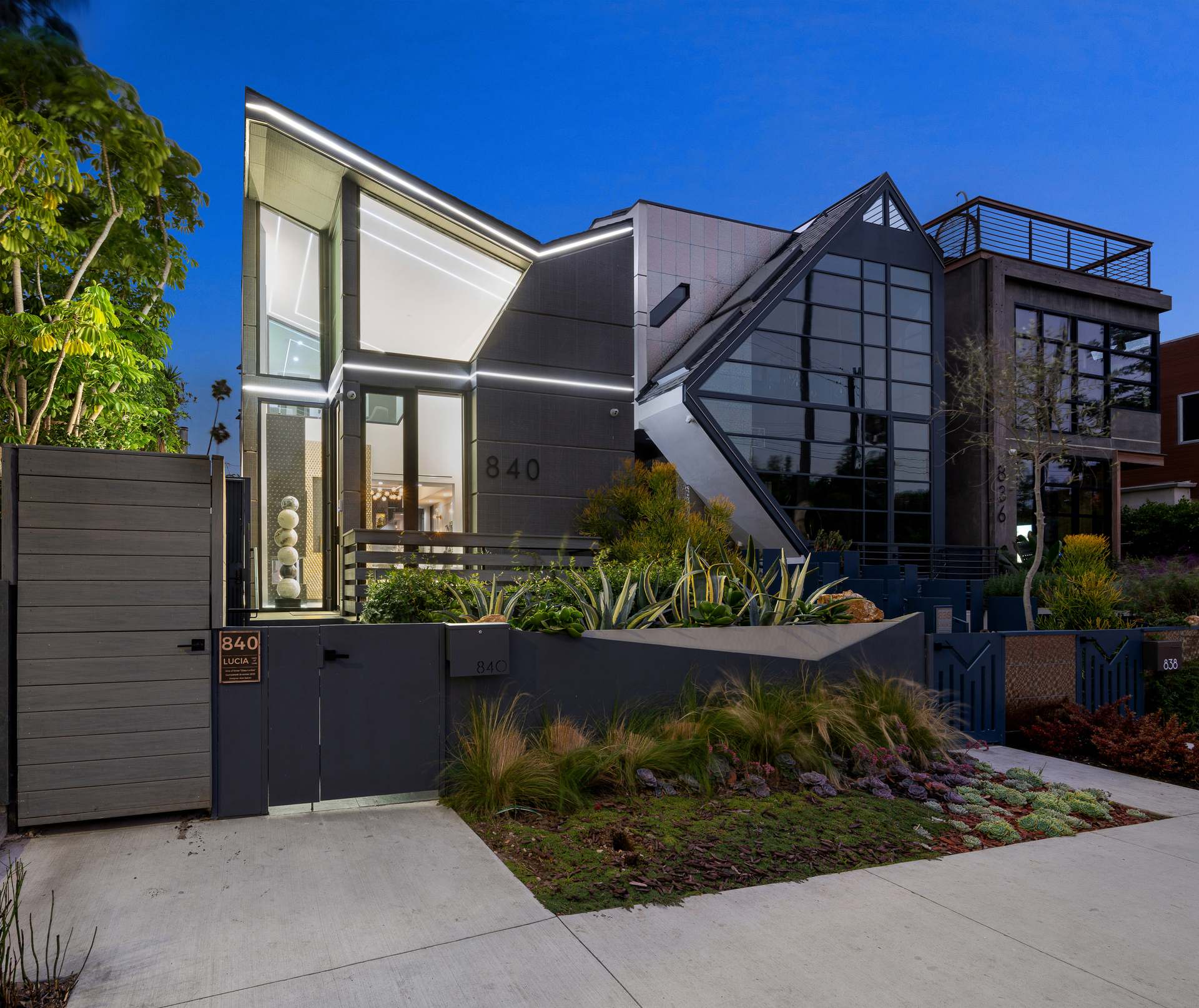
Multi-generational living has deep roots in Bulgarian culture. Grandparents, parents, and children often share homes, combining resources while providing mutual support. Modern multi-generational homes can accommodate this tradition with comfort, privacy, and dignity for all generations.
Benefits of Multi-Generational Living
Shared living offers significant advantages when designed properly.
Financial benefits:
- Shared land and construction costs
- Combined utility expenses
- Reduced childcare costs
- Elderly care within family
- Shared vehicle expenses
- Combined household maintenance
Family benefits:
- Grandparent involvement in childcare
- Support for elderly family members
- Strong family connections
- Cultural transmission to children
- Mutual assistance in daily life
- Reduced isolation for all ages
Practical benefits:
- Shared responsibilities
- Pet care coverage
- Home security through presence
- Garden and outdoor maintenance
- Pooled resources for improvements
These benefits only materialize with thoughtful design that prevents the conflicts proximity can create.
Privacy Requirements
Privacy is the foundation of successful multi-generational design.
Acoustic privacy:
- Sound-insulated walls between units
- Separate HVAC systems preventing sound transfer
- Strategic bedroom placement away from shared walls
- Acoustic doors where needed
- Floor/ceiling assemblies that block impact and airborne sound
Visual privacy:
- Separate entrances where possible
- Private outdoor spaces for each unit
- Window placement preventing overlooking
- Strategic landscaping for screening
- Independent access to utilities
Daily life privacy:
- Separate kitchens (or kitchen facilities)
- Private bathrooms for each unit
- Individual living spaces
- Separate laundry or scheduling systems
- Personal storage areas
Social privacy:
- Ability to have guests without involving other units
- Independent entertaining spaces
- Control over visiting hours
- Defined shared vs. private areas
Interior design services optimize spaces for both privacy and connection.
Layout Options
Several layout approaches suit multi-generational living.
Attached accessory unit:
- Separate unit attached to main house
- Own entrance, kitchen, bathroom
- Shared exterior but distinct addresses
- Can be locked off or opened
- Permits may designate as separate dwelling
Suite within house:
- Wing or floor dedicated to one generation
- Shared main entrance but separate living
- May share some facilities (laundry, utility)
- Internal connecting door (lockable)
- Feels like extended home rather than apartments
Separate structures:
- Guest house or cottage on same property
- Complete independence
- Requires larger plot
- Clear separation of utilities
- Maximum privacy, minimum connection
Flexible spaces:
- Rooms that convert as needs change
- Living room becomes bedroom
- Study becomes care suite
- Garage converts to apartment
- Adaptability for changing family needs
Accessibility Considerations
Multi-generational homes should accommodate aging and varying abilities.
Universal design principles:
- No-step entries where possible
- Wide doorways (minimum 90cm)
- Single-floor living capability
- Accessible bathroom on main floor
- Lever-style door handles
- Rocker light switches
Bathroom accessibility:
- Walk-in or roll-in shower option
- Blocking for future grab bars
- Toilet height and clearance
- Non-slip flooring
- Adequate lighting
- Space for assistance if needed
Kitchen accessibility:
- Varied counter heights
- Pull-out shelving
- Accessible storage
- Adequate lighting
- Space for seated work
Future adaptability:
- Doorways that can accommodate wheelchairs
- Bathroom walls with backing for grab bars
- Space for stair lift installation
- Elevator shaft space (even if not installed initially)
- Flexible room uses
Small house design principles apply when maximizing accessibility within limited space.
Shared Spaces Design
Successful multi-generational homes balance private and shared spaces.
Effective shared spaces:
- Large kitchen/dining for family meals
- Covered outdoor entertaining area
- Garden and outdoor maintenance areas
- Utility rooms (laundry, storage)
- Workshop or hobby spaces
- Parking and vehicle maintenance areas
Shared space principles:
- Easy to clean and maintain
- Durable materials
- Adequate size for full family gathering
- Good natural light and ventilation
- Access from all units without passing through private areas
Scheduling shared resources:
- Laundry scheduling systems
- Shared vehicle arrangements
- Garden and outdoor maintenance allocation
- Guest accommodation booking
Services and Utilities
Mechanical and electrical systems require careful planning.
Separate systems (more expensive but more independent):
- Individual heating/cooling systems
- Separate electrical meters
- Independent water heating
- Own utility bills
- No disputes over usage
Shared systems (economical but requires cooperation):
- Central heating with zone control
- Single electrical supply
- Common water heater
- Split utility costs
- Requires fair allocation method
Hybrid approaches:
- Shared heating but separate cooling
- Common water supply, separate meters
- Shared internet, separate accounts
- Combined where efficient, separate where contentious
Future flexibility: Consider provisions for converting between shared and separate systems as circumstances change.
Bulgarian Regulatory Considerations
Multi-generational homes must comply with Bulgarian building regulations.
Single dwelling approach:
- Simpler permit process
- One utility connection set
- Family units legally part of one home
- Flexible internal arrangements
- May limit future rental or sale options
Separate dwelling approach:
- Each unit meets minimum standards
- Separate addresses possible
- Independent utility accounts
- Can sell or rent units separately
- More complex permit process
Regulatory requirements:
- Minimum room sizes per Наредба №7
- Fire separation between units
- Natural light and ventilation to all habitable rooms
- Access and egress requirements
- Parking provision per dwelling
Building regulations guide explains Bulgarian requirements in detail.
Financial and Legal Structures
Ownership and cost-sharing arrangements need clarity.
Ownership options:
- Single owner (simplest but least fair)
- Joint ownership (proportional shares)
- Separate title/strata (most independent)
- Leasehold arrangements
Cost allocation approaches:
- Proportional to space
- Equal shares regardless of size
- Based on usage capacity
- Combination of fixed and variable
Legal considerations:
- Clear ownership documentation
- Written agreements on responsibilities
- Provision for family changes (death, divorce, etc.)
- Exit strategies if arrangement fails
- Professional legal advice recommended
Managing Family Dynamics
Design supports but cannot guarantee harmonious living.
Design strategies that help:
- Clear boundaries between private and shared
- Multiple paths avoiding constant interaction
- Soundproofing preventing unintended overhearing
- Separate outdoor spaces for retreat
- Lockable internal connections
Agreements that help:
- Defined quiet hours
- Guest policies
- Pet arrangements
- Maintenance responsibilities
- Financial contributions
When it doesn’t work: Design for potential future independence. Units that can function completely separately provide options if shared living proves unsustainable.
Planning Your Multi-Generational Home
Successful design requires understanding all family members’ needs.
Questions to address:
- How much togetherness does each generation want?
- What are accessibility needs now and anticipated?
- How will costs be shared?
- What happens if circumstances change?
- What are privacy non-negotiables?
Professional input value: Architects experienced with multi-generational design understand the balance between connection and independence that makes shared living successful.
Contact us to discuss how thoughtful design can create a multi-generational home that serves your whole family for decades to come.