


Modular Homes in Bulgaria: Advantages, Costs, and Best Manufacturers
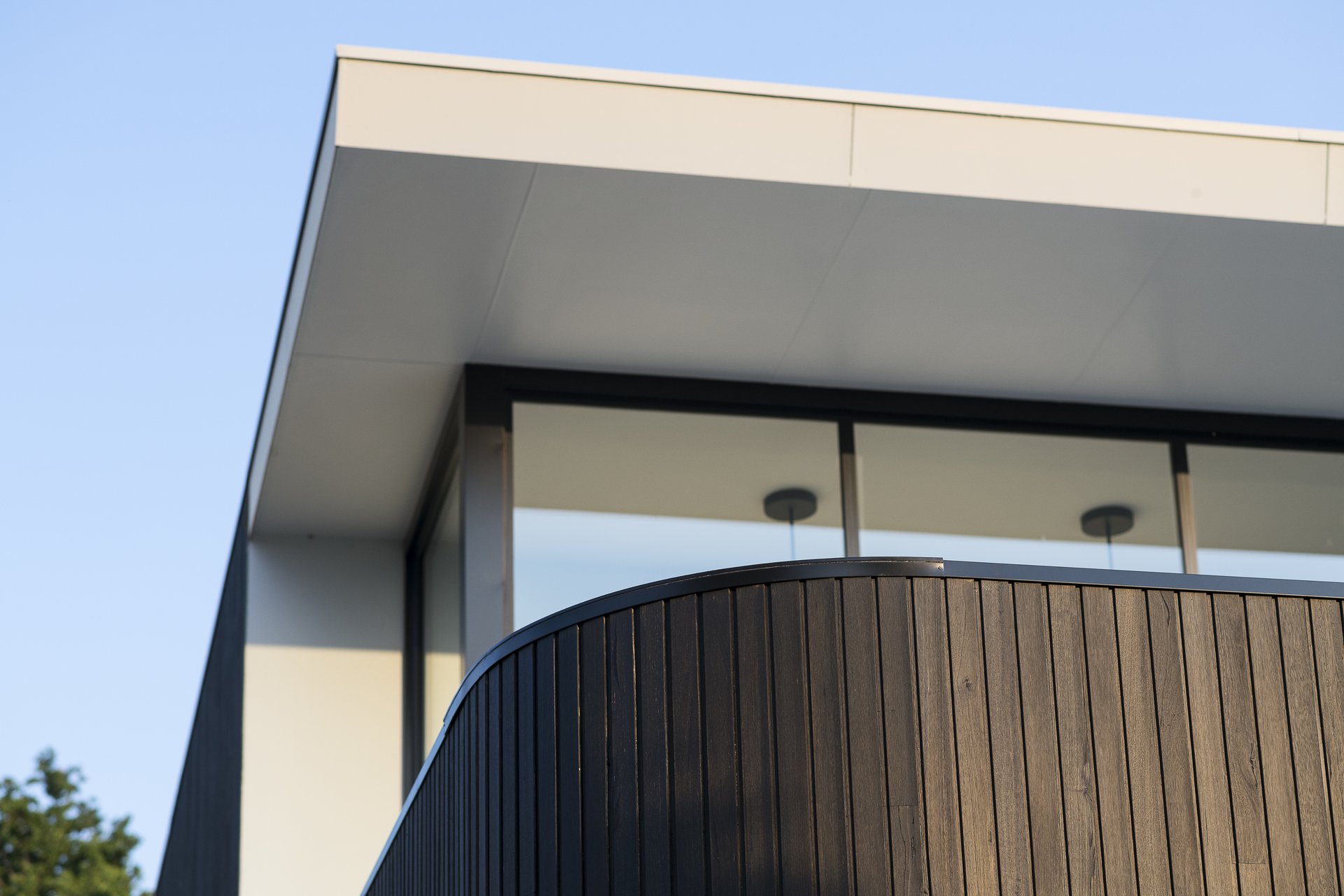
Modular construction represents the most advanced form of prefabrication. Unlike panel systems, modular homes arrive as complete room-sized units ready for immediate connection. This guide covers everything about modular construction in Bulgaria.
What Makes Modular Different
Modular homes differ from other prefab methods in completeness. Each module leaves the factory as a finished room—walls, floors, ceiling, windows, electrical, plumbing, and interior finishes included.
Module specifications typically measure 3-4 meters wide (road transport limit), up to 12 meters long, and standard room heights of 2.6-3.0 meters. A typical home requires 4-8 modules depending on size.
Factory completion reaches 80-95% before delivery. Only module connections, exterior cladding joints, and utility hookups remain for site work. This maximizes factory-controlled quality while minimizing on-site labor.
Key Advantages of Modular Construction
Speed surpasses all other construction methods. Site preparation and factory production happen simultaneously. Once modules arrive, assembly takes 1-3 days. A complete home becomes habitable within weeks of delivery.
Quality consistency benefits from repetitive factory processes. Workers specialize in specific tasks, using purpose-built equipment. Every connection follows identical procedures. Inspection occurs at each production stage.
Weather independence eliminates Bulgarian winter delays. Production continues year-round in climate-controlled facilities. Modules arrive weatherproof, protecting interior finishes during on-site completion.
Reduced site disruption benefits both owners and neighbors. Minimal on-site construction time means less noise, dust, and traffic. Rural sites particularly benefit from reduced material deliveries.
Site Requirements for Modular Delivery
Modular construction demands specific site conditions:
Road access must accommodate delivery trucks carrying modules up to 4m wide and 15m long. Minimum road width of 4 meters with adequate turning radius at your site.
Crane access requires level ground adjacent to the building position. Typical mobile cranes need 10x15 meter setup area. Overhead power lines may require temporary disconnection.
Foundation precision is critical. Modules must land on foundations accurate to ±5mm. Survey and level verification before delivery prevents costly problems.
Timing coordination between foundation completion and module delivery requires careful planning. Modules cannot wait on-site for foundations.
Not all Bulgarian sites suit modular construction. Our consultation service assesses site feasibility before you commit to this method.
Current Costs in Bulgaria
Modular construction typically costs 10-15% more than panel prefab due to higher factory completion:
Standard modular homes: 700-950 EUR/m² Premium modular homes: 950-1,400 EUR/m²
These prices reflect near-complete factory finishing. Site costs are lower—typically 50-80 EUR/m² for assembly and completion work.
Total project costs for a 100m² modular home:
- Factory modules: 70,000-95,000 EUR
- Foundation: 8,000-12,000 EUR
- Site assembly and completion: 5,000-8,000 EUR
- Permits and professional fees: 5,000-8,000 EUR
- Utilities: 4,000-6,000 EUR
Total budget: approximately 95,000-130,000 EUR turnkey.
Compare with other construction costs for budget planning.
Leading Bulgarian Manufacturers
Several established companies produce quality modular homes in Bulgaria:
Selection criteria should include:
- Years in business (minimum 5 years preferred)
- Completed project portfolio
- Factory visit availability
- Warranty terms (minimum 10 years structural)
- References from previous clients
Request visits to completed homes, not just showrooms. Speak with actual owners about delivery, assembly, and post-completion support.
Avoid manufacturers unable to provide references or unwilling to show completed projects. The modular market includes some inexperienced operators whose quality doesn’t match promotional materials.
Design Considerations
Modular construction accommodates diverse designs within transport constraints:
Single-story homes use ground-level modules arranged in various configurations. L-shapes, U-shapes, and linear layouts all work well.
Two-story homes stack modules, with structural connections between levels. Stairs typically install during site assembly as a separate element.
Roof options include factory-fitted flat roofs (simplest), site-assembled pitched roofs over modules, or hybrid approaches with roof modules.
Expansion potential exists if original design anticipates future modules. Connection points and structural provisions can accommodate later additions.
Custom designs require early manufacturer involvement. Standard module dimensions influence room sizes and layouts. Architectural design services optimize layouts within modular constraints.
Permit Requirements
Bulgarian building permits apply identically to modular homes. Required documentation includes:
- Complete architectural project
- Structural engineering for foundations and module connections
- Manufacturer specifications and certifications
- Building permit from municipality
- Technical supervision during assembly
Permit processing takes 1-3 months. Begin documentation while factory production proceeds to avoid delivery delays.
Common Problems and Solutions
Access difficulties sometimes emerge after purchase. Verify road widths, turning radii, and overhead obstacles before committing to modular. Alternative delivery methods exist but add significant cost.
Foundation errors cause assembly problems. Hire experienced contractors familiar with modular precision requirements. Survey verification before module delivery is essential.
Incomplete specifications from manufacturers create disputes. Ensure contracts detail every finish, fixture, and fitting. Ambiguous specifications lead to disappointing outcomes.
Warranty limitations surprise some buyers. Understand exactly what’s covered and for how long. Factory defects versus site damage versus normal wear require different warranty provisions.
Is Modular Right for Your Project?
Modular construction excels when:
- Site access permits large vehicle and crane access
- Timeline demands fastest possible completion
- Budget allows premium for maximum factory completion
- Standard room sizes suit your requirements
Traditional or panel construction may better serve:
- Restricted access sites
- Unusual room configurations
- Lower budgets
- Complex architectural designs
Contact us for objective assessment of whether modular construction suits your specific Bulgarian property project.